
How to Introduce Bibs Pacifiers to Newborns Without Fuss – Parent’s Guide
Learn how to introduce Bibs pacifiers to newborns with ease. A parent’s guide to safe, soothing, and stress-free pacifier introduction.
Being a parent, I soon understood that the process of introducing a pacifier to a newborn does not necessarily work that well as putting it into a hands and thinking that it would be taken instantly. Most babies cry, fuss or even refuse to take a pacifier when you offer it to them, and you get frustrated not knowing whether you are doing the wrong thing or not. The first time I took home a Bibs pacifier, I was very resolute that I would ensure that the day would be fruitful, quiet, and stressful, not to mention my baby and myself. With time, I have learned that to introduce pacifier with success, it is necessary to be patient, time based, and use some strategies to overcome fussiness and resistance.
Bibs pacifiers have gained a lot of favor due to the natural soft latex nipples and light weight ergonomic design. However, even the most appropriate pacifier will be rejected in case it is introduced improperly. I also discovered ways of introducing my baby to the best pacifier in a non coerced way, through trial and error, being careful not to cause it pain or dangerous situations. This manual provides my own experience, step-by-step methods and useful tips that will enable parents like me to fixate Bibs pacifiers without always experiencing the hassle of infants being inflexible.
Knowledge on the Fussiness Problem
Infants are delicate and tend to react emotionally to the presence of new things in their mouths. I realized that despite a reputable brand of pacifier such as Bibs, my baby would reject it, or cry at other times. This fussiness is not unique; most of the times it is a result of new texture or a shift in feeding habits or just the temperament of a baby. The introduction of a pacifier successfully should begin by understanding the gist behind the ruckus.
I understood that the refusal of my baby was not directed at me, she only required time, support, and soft instructions. The design of the bibs pacifier is meant to replicate the feel of the natural nipple, however, different babies adapt differently. Being aware of this made me remain patient and calm which is vital since babies are able to pick up on frustration and stress. The first step to approach fussiness is through observation and empathy as this enables the parent to adjust to the particular baby.
Finding the perfect Bibs Pacifier
The initial step that I made was to choose the appropriate size and type of Bibs pacifier. Bibs pacifiers are of various sizes depending on the age: 0-6 months, 6-18 months and 18+ months. In the case of my newborn, I was using the 0-6 month one that was not only fitting in her mouth but also soft on her gums. It is also possible to add to the fussiness by using a wrong size, and, therefore, I always checked the packaging and made sure that I was providing the correct one.
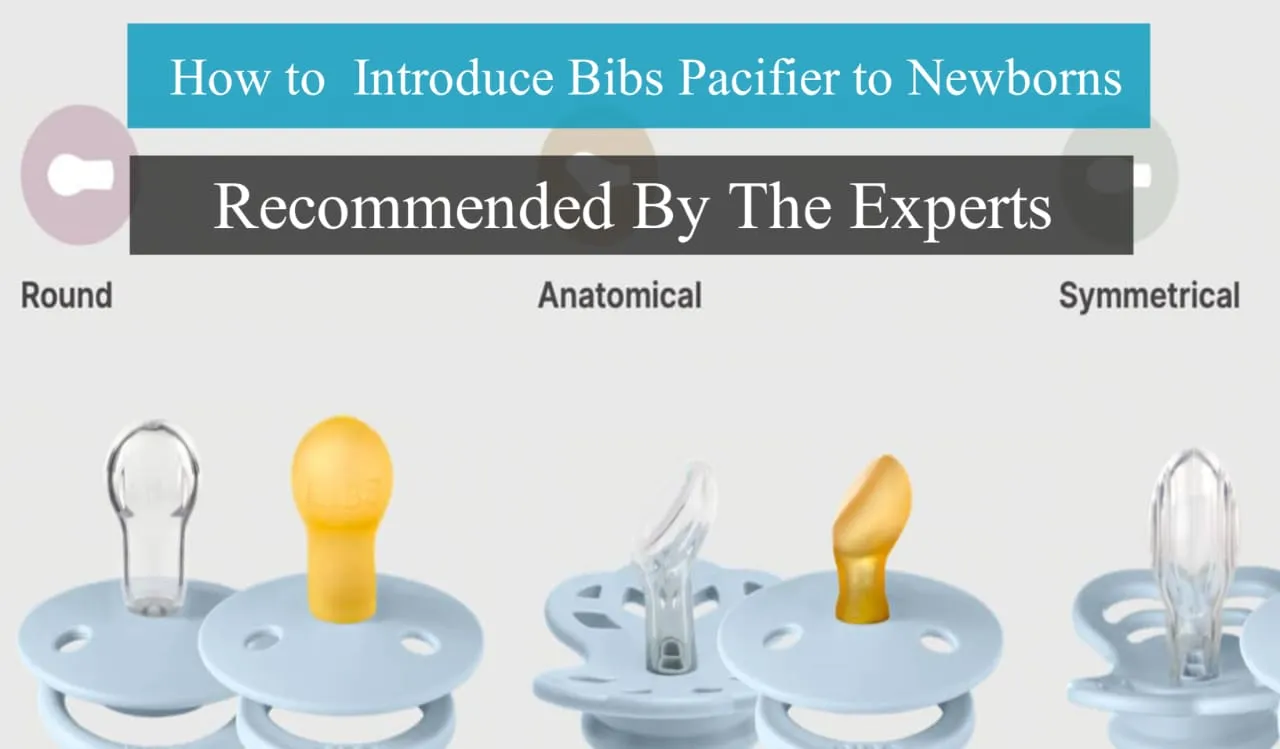
The shape also matters. Bibs pacifiers are symmetrical and are manufactured using soft natural latex that promotes natural suckling actions. Using a pacifier that was comfortable and soft to my baby in his mouth was also a big difference. It enabled her to accommodate it faster, more easily and relieve both of us of stress. The secret of an easy entry is the selection of the correct pacifier.
Timing is Key
It is important to introduce a pacifier in time. I have been taught that the Bibs pacifier was best offered when my baby was not crying or over-aroused. Attempting it upon a crying fit would result in rejection or an increased fussiness. When she was relaxed, either after one of her feeds or when she was just quiet, I would put in the pacifier since she is more open to it.
My baby gave me some cues, and it is with their assistance that I was able to select the most appropriate time. She was cueing such signs as mild rooting or slight fussiness but not total crying. The time is important since a pacifier can only calm a baby when he or she is receptive. Being able to read these undertones enabled me to minimize resistance and make the process easier.
Development of a Relaxing Environment.
It is important to have a soothing atmosphere during the introduction of a pacifier. I switched on the dim lighting, kept the loud sounds to the minimum and talked softly and soothingly to the Bibs and gave the pacifier. Infants are very sensitive to the environment, and a stressful environment causes them to refuse the pacifier.
I also involved some soothing rocking or cuddling her into my arms, and this made her feel safe. The Bibs pacifier was more attractive because of physical comfort and a peaceful environment. It is because by creating a calm environment that I was able to deal with the fussiness problem before it even occurred and it was more likely to be accepted.
Easier Introduction Methods.
I soon came to know that inserting the pacifier in the mouth of my baby violently only augmented the agitations. Rather I gave it to her delicately, and left her to play with it with her tongue and lips. I occasionally allow the pacifier to pass through her lips and she suckles at her own speed.
Patience was key. I kept repeating this sweet introduction several times during several days and she kept on receiving it willingly. The application of gentle methods instead of forceful thrust when inserting the pacifier made the process pleasant and stress-free and even transformed the initial fussiness into comfort.
Pairing with Comfort
Relations of the Bibs pacifier with comfort aided to curtail resistance. I tended to use it when I was quiet and cuddling her, talking softly. This established a favourable relationship between the pacifier and security.
I also combined the pacifier with the things that I used to do, such as after a feeding, or before naps. Consensus also made her realize that the pacifier is a comforting device but not a strange and frightening object. The combination of the pacifier with positive experiences minimized fussiness in the long run and promoted normal acceptance.
Responsible Pacifier Use
One should not use the pacifier too much. I would only use it during naps, bedtime or when she was a bit fussy. Excessive use of the pacifier will lead to dependency in babies and in some cases failure or resistance at other occasions.
I did not also use a pacifier as a reward or behavioral management. I ensured that its use was neutral to retain its soothing power and to not build negative associations. The responsible use made my baby automatically have the Bibs pacifier without hassle and anger.
Cleaning and Hygiene
Another significant aspect of acceptance is hygiene. Fussiness can be caused by a dirty or distasteful tasting pacifier. I cleaned the Bibs pacifier with warm and soapy water before sterilizing it every now and then and making sure it was clean and safe to use.
Bibs pacifiers are also easy to wash and I always carried a sterilizing box when my child was on the road. Keeping the pacifier clean also makes it safer; it also makes your baby more accepting of the pacifier, and therefore not so much fussy due to taste or smell that is not familiar to him/her.
Patient and Consistency
The lessons that I had were patience and consistency. On certain days, my baby would not take a pacifier whereas on other days she would take one the minute you offered. It took time, but through the use of calmness, persistence, and gentleness I was able to make her accept the Bibs pacifier as a part of her life.
Regularity, gradual integration, and accompaniment with comfort made a stressful process easily predictable and calming. Fussiness issue eventually subsided and the pacifier turned out to be a trusted source of pacification and comfort.
Surveillance of Development and Oral Health.
Bibs pacifiers are made in such a way that they help the natural development of the mouth but I kept a close eye on the teeth and jaws position of my newborn. The use of pacifiers was checked occasionally through pediatric check ups to make sure it was not disrupting feeding and growth.
I also restricted the use of pacifier when she is playing or engaging in long activities to enable the muscles in her mouth to develop naturally. The combination of safe practices with pacifiers and frequent check-ups made sure that comfort was not achieved at the cost of the healthy development of the oral cavity.
FAQs :mHow to Introduce Bibs Pacifiers to Newborns
Final Thoughts
It does not necessarily need to be difficult to introduce a pacifier. By pacifying with Bibs, calm methods, patience, and excellent timing, one can minimize fussiness and enable his/her newborn or baby to take the pacifier freely. My determination to establish a peaceful atmosphere, pairing the pacifier with comfort, good hygiene and establishing routine allowed me to turn the first resistance into a relaxing habit, which not only helped the baby to live, but I began to enjoy the process of nursing and nurturing my baby. To avoid the situation with fussiness and refusal of pacifiers, a careful attitude towards Bibs pacifiers can simplify the process, non-injurious, and appealing to all parties.