Best Pacifiers for Healthy Teeth 2025 : Parent’s Guide
Discover the best pacifiers for healthy teeth, tips for safe use, and when to wean to support your baby’s dental development and little smiles.
Pacifiers are life savors and as a parent, you soon understand that best pacifiers can be a pain killer. They can calm cranky infants and help to soothe them when they are sleeping but I also did not want to jeopardize the oral development of my baby. The correct choice of pacifier and awareness of how to quit is central to promoting healthy teeth, jaw growth, and strong and contented smile. I will provide the most helpful pacifiers in dental health, what ones to avoid and how to use pacifiers safely and effectively in this guide.
The Top Pacifiers to Dental Health
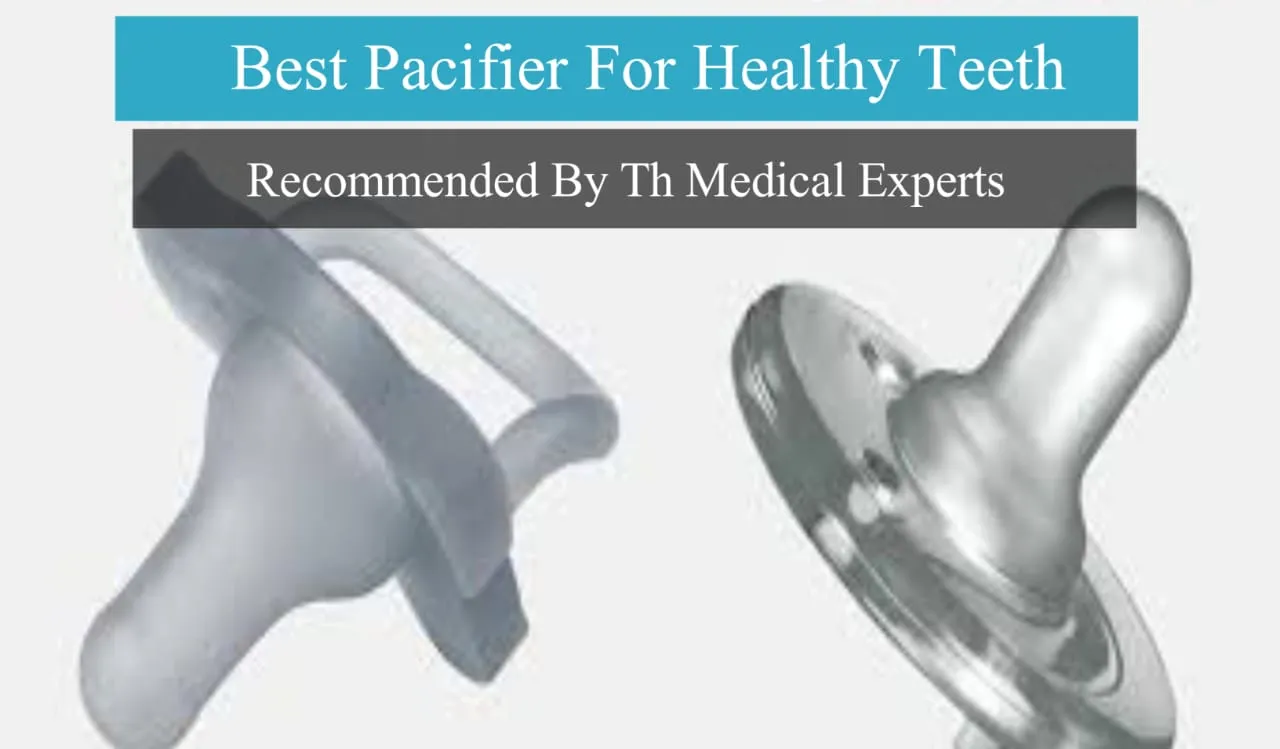
At the time when I researched pacifiers, I found out that not everyone is equal. My favorite pacifier is orthodontic as they are specifically made to promote the natural development of the mouth. The pacifiers are useful in spreading the sucking pressure evenly over the mouth, palate, jaw, and teeth as babies develop.
NUK Orthodontic Pacifiers – These pacifiers are flat-shaped with a rounded top that equalizes the pressure throughout the palate and simulates the breastfeeding experience, which makes the process easier.
MAM Orthodontic Pacifiers – The orthodontist-designed ones have an angled, non-slip nipple which encourages the normal sucking motions and reduces the levels of jaw and teeth stress.
Tommee Tippee Closer to Nature Pacifier – The symmetrical shape promotes appropriate oral development and it is available in a variety of sizes that suit the developmental stage of your child.
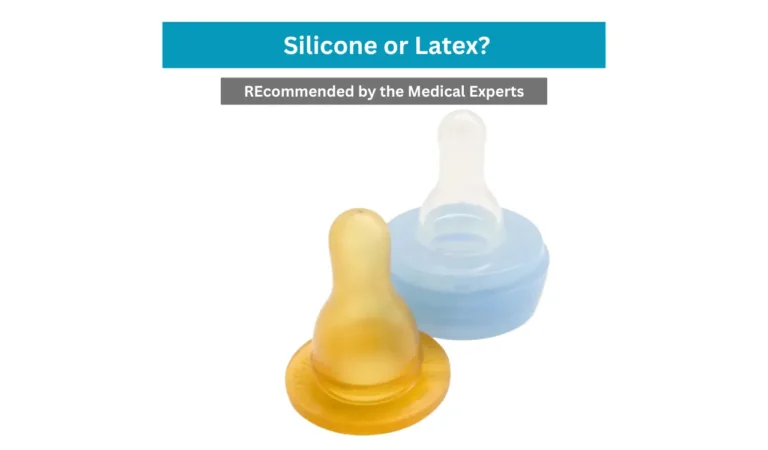
Philips Avent Soothie – This pacifier is crafted in soft medical-grade silicone, so it is not orthodontically shaped but is easy on the gums and teeth, yet is still baby-friendly and long-lasting.
Age-appropriate size, orthodontic design and safety of the material is always factored in when selecting a pacifier. It is quite normal to have to do some trial and error before finding the pacifier my baby likes.
Guidelines on the selection of appropriate pacifier.
There is more to the choice of the pacifier than choosing the most adorable shape. I focus on orthodontic shapes and soft and flexible materials to safeguard the development of the dentals and guarantee comfort. Cleanliness should also be considered and thus I clean or sterilize pacifiers in order to maintain cleanliness.
One should not forget that every baby is different. Others might be interested in some brands or nipple shape and trying some will help me to find one that my baby really likes. Centering on functionality rather than the appearance of the product, I will be able to provide my small baby with a pacifier that fosters proper oral health.
Pacifiers to Dental Health to avoid
Not every pacifier is safe with dental development. I was taught how not to use models which put unequal force on the teeth and jaw of the baby. Conventional round pacifiers, say, might cause misalignment of teeth, and universal models might cause growing gums to stretch.
Ornamental or novelty pacifiers are not usually developed to achieve its use, and hard plastic pacifiers may limit the motion of the natural mouth. The pacifiers of poor quality can be composed of dangerous chemicals, which can cause even more harm than deterioration of dental care. Plush pacifiers, such as WubbaNub, are more weighty, and this feature may cause palate strain and germs proliferation, so they are not the best to use.
When to Quit the use of a pacifier
Even the most perfect pacifier will bring problems when it is overused. The American Academy of Pediatrics suggests to gradually discontinue pacifiers at the age of 2, whereas the American Academy of Pediatric Dentistry suggests at the age of 3. Long term usage may result in open bites, overbites, crossbites and other tooth issues.
My emphasis lies in the restriction of pacifier consumption mainly when it comes to mollifying and sleeping rather than being comfortable during the whole day. Slow weaning of my baby and the use of other non-threatening forms of comfort such as soft toy or bedtime routines has facilitated the process and made it less tense. Proper size selection and regulation of use is of paramount importance to safeguard the growth of teeth and ensure comfort at the same time.
Weaning your baby off of a pacifier
Weaning does not necessarily have to be sudden. I discovered that a slow step-by-step process is best. Begin with restricting the amount of time you spend using a pacifier during the day, and then move on to bedtime and nap times. Weaning the infants gradually to alternative forms of comfort such as a soft blanket or gentle rocking can assist in the adaptation process without causing babies any painful experience.
Patience is important and consistency. Slow declines eliminate abrupt frustration and promote good toothcare. Planning and establishing some other ways of comfort could ensure my baby will never experience trauma or resistance to the idea of quitting the use of the pacifier.
Cleanliness and Safety
Cleaning pacifiers will be very important in the health of my baby. I rinse the pacifiers in warm, soapy water and check on them- make sure they are free of cracks and wear. There are pacifiers that can be washed in the dishwasher, this is convenient to busy parents like me.
Frequent cleaning helps to avoid the accumulation of bacteria and avoid infection. In the case of infants, it is especially significant to disinfect the pacifiers either in boiling water or in a sterilizer during the first few months, when the immune system of infants has not yet formed. Clean pacifier means that my baby would be comfortable and safe and in a hygienic way.
The Pros of an Orthodontic Pacifier
Orthodontic pacifiers are health wise. My baby, I have noticed, could suck without exerting too much pressure to the teeth and the jaw. This also aids in avoiding the chances of misalignment and promotes normal oral development.
Besides aiding teeth and jaw, orthodontic pacifiers are usually shaped like the breast thus there is easier transition to the use of pacifiers. Having a proper pacifier allowed my baby to remain calm and at the same time promote proper sucking patterns, which is critical to a healthy oral development.
Dental Development
Dental development should be monitored even with the most appropriate pacifier. I also always observe the mouth of my baby to determine whether there is a misalignment or abnormal bite. Periodical checkups of the children and their teeth will make sure that the problems are identified at the earliest.
With a judicious choice of pacifier and regular checkups, I will be able to be comforting and allow healthy growth of teeth and jaw. Prevention and attention during early years is so significant to long term dental health.
FAQs : Best Pacifiers for Healthy Teeth
Conclusion: Pacifier Healthy Smile Support
Pacifiers are a great way to comfort and calm down babies, although the correct type and weaning time is key to the well-being of the teeth. Use of orthodontic pacifiers, suitable size and special cases to use them will guarantee that your little one will have natural development of teeth and jaw.
Pacifiers must be avoided; they should be decorative, hard and of low quality and weaning has to be gradual to encourage healthy oral habits. With informed decisions and keeping track of the tooth progress, pacifiers can allow you to calm your baby without impairing your beautiful and healthy smile of your baby.