
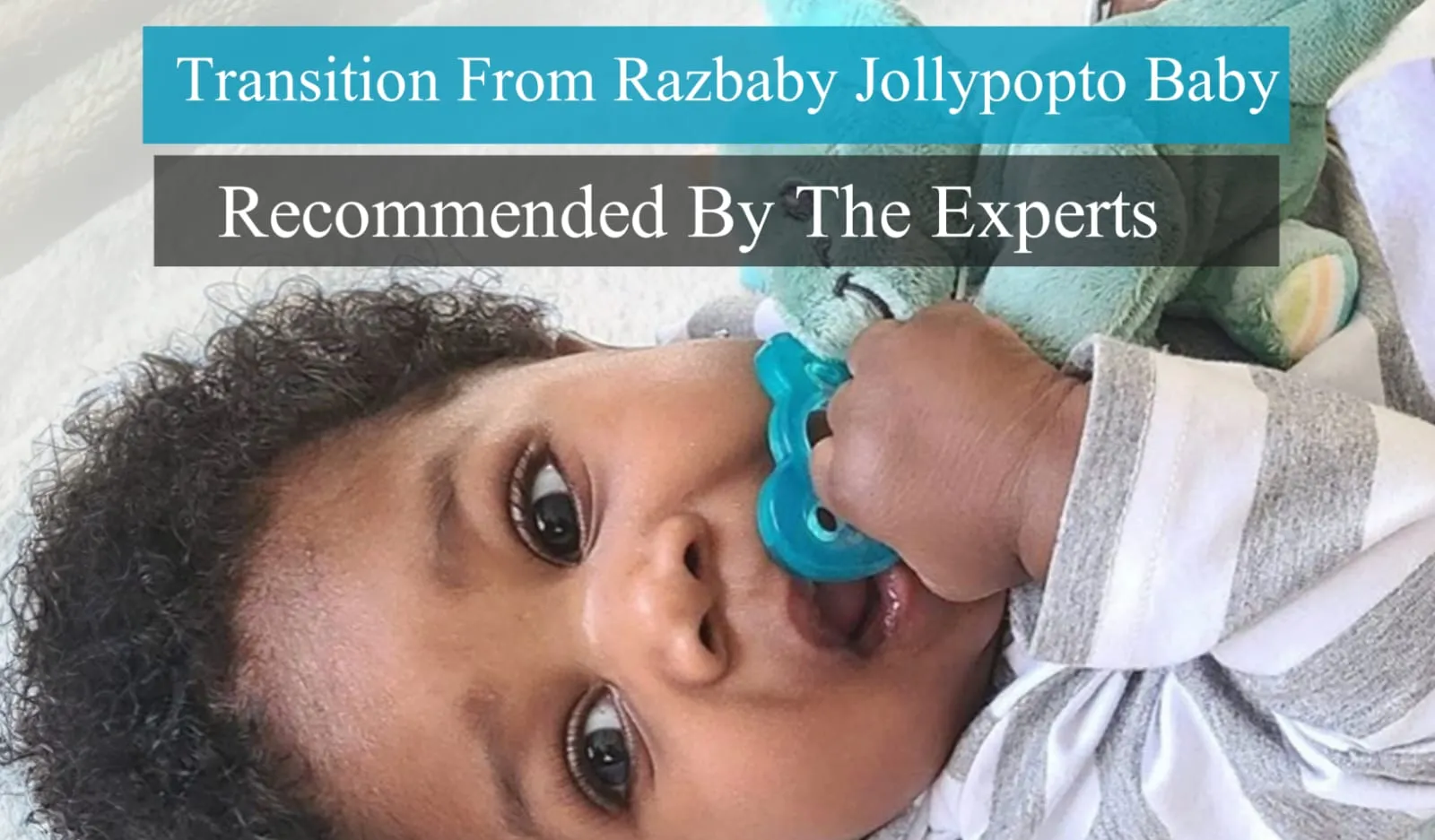
How to Transition Your Baby to the RaZbaby JollyPop Pacifier with Ease: Parent’s Guide
Learn how to transition your baby to the RaZbaby JollyPop Pacifier. Easy tips for comfort, soothing, and stress-free pacifier use.
Rearing a child is accompanied by both happiness, affection and frustrations, particularly in ensuring that the baby is maintained in a relaxed and cozy environment. Among the items most parents resort to is the pacifier that may be a great way of getting some calming effect and handling fussiness. However, not any pacifier is similar and it happens that babies are not always ready to use something new. When you want to make your little one get used to the RaZbaby JollyPop Pacifier, you may ask yourself how to ensure that the process is as stress-free and easy as possible.
The good thing is that you do not need to make a complicated transition to your baby. Through patience, encouragement with gentleness and some ingenious tricks, you can make your baby accept the JollyPop pacifier without any difficulties. This guide will take you through all that you should know- why the JollyPop is trusted by hospitals and helpful tips of introducing it to the routine of your baby for having best pacifier.
The reasons why Parents prefer the RaZbaby JollyPop Pacifier
RaZbaby JollyPop is not just a comfort aid, but the pacifier is both safe and useful. However, this pacifier is used by many hospitals in the United States in nurseries and newborn units and this provides comfort to parents on its reliability. Constructed of soft, medical grade silicone it is tender to babies mouths and the product is made in single pieces thus eliminating any chances of choking.
Its shape is another factor that parents like. The nipple is also orthodontic, which means that it helps in promoting the natural development of the mouth as your baby develops. The shield is rounded to fit the face of your baby comfortably and the holes that have been put to allow it to be ventilated so that it can easily breath and also reduce skin irritation. Parents are usually assured when they decide to make the transition to JollyPop not only due to its reputed design but also safety history.
Teaching the Meaning of transitioning
In attempting to discuss the process of going to the JollyPop, we are actually explaining a process of reintroducing your baby to a new pacifier. In other babies, the transition is immediate- they get hooked on and do not question it. To other persons, particularly those who are accustomed to other nipple shape or those who have never been using a pacifier, it may require time.
Transitioning refers to assisting your baby to get used to the pacifier by being persuaded softly. It is a matter of making the new pacifier a habit without coercion or stress. Babies, just like adults, require time to adapt to new things as they require reassurance and consistency.
Timing of introducing JollyPop
Time is also significant to the success of the transition. Experts suggest that a pacifier should not be introduced before the breastfeeding is well established, which is approximately three to four weeks later to avoid confusion of the nipples. But, when your baby is already bottle-fed or you have already used some other pacifier, then you may start the transition at any moment you are ready.
The most appropriate is the moment your baby is relaxed and still, not when he or she is crying like a tormented and crying baby. Presenting it at quiet moments, e.g. after feeding, cuddles or a nap, can help your baby to become more willing to have it. It is best not to introduce it to them when they are too fussy or hungry as they will be frustrated and opposed.
Establishing Favorable Connections with the JollyPop
Another easiest option to help the baby with the change is to tie the pacifier to the comforting activities that the infant already likes doing. See how it works to suggest the JollyPop when you are rocking your baby, singing a lullaby or when you are holding your baby. These are the comforts that your baby is used to, and this association in his or her mind makes the baby more willing to accept the pacifier.
It can also be good to make the experience less pressurized. When your baby spits out the pacifier you have to wait a couple of minutes and later on another attempt. Infants have curious minds and they might take it after frequent mild incentive presentations. With time, familiarity and comfort will be developed due to such small and periodic attempts.
Some tips on the introduction of the JollyPop
The process of transitioning does not involve complex methods, however, some practical considerations can help the process easier. To begin with, have you tried addressing the pacifier lightly to the lips of your baby and letting them grab onto it on their own. It is also known that babies have better responses when they are in control of the process.
The other trick that is helpful is to use the pacifier when your baby is already slightly sleepy like before bedtime or before naps. The sucking action would also make them even more relaxed, and send them to sleep, which supports the soothing action of the JollyPop. Regularity is important, provide it at a standard time of the day and form a habit.
Dealing with Resistance in the Transition
No wonder, some babies do not take to a new pacifier at the beginning. In case your baby appears uninterested or forces it out then do not get discouraged. Obstinacy is easily over with time. To make the pacifier more attractive, you can also make sure it is in the correct temperature, some babies like their pacifier slightly warmed by rinsing in warm water, but other babies might prefer the cool and nice feel of a chilled pacifier.
Distraction can also help. When the JollyPop is offered when the baby is swaddled or bounced or snuggled, the whole process would not be about the pacifier but about the overall comfort. Eventually, your infant will develop the association of the JollyPop with pleasant experiences.
Cleaning and keeping the Pacifier Clean
The significant component of the use of pacifiers is hygiene in particular, particularly in transition. Infants tend to drop their pacifiers and their cleanliness prevents discomfort or disease. The JollyPop is also dishwasher safe and can be sterilized by boiling five minutes, prior to the initial use, and when required.
Check the pacifier on a regular basis to make sure that it is not worn out whether by tears or discoloration, and should there be any damage replace it. The JollyPop is durable due to the use of medical-grade silicone, although no pacifier is an everlasting one. By replacing it after every four to six weeks, you will be guaranteed of a safe and effective comfort tool to soothe your baby.
Bringing the JollyPop into Life
As soon as your baby starts to recognize with the pacifier, it is a super handy thing to use in everyday life. Take it before bedtime to make your baby sleepy, on a car ride to keep him/her not fussy or when you visit the doctor to soothe him/her in times of crisis. It is light, and it stays in the same position, and therefore even newborn babies can handle it.
The JollyPop can be retained as a useful tool to the baby as they grow up. It allows them to feel safe during an unfamiliar situation and it is a safe method of them self-soothing. Parents usually discover that the pacifier helps to relieve stress and the babies fall asleep faster during the day.
Knowing When to Give up
Although pacifiers come in so handy during the first year, one should consider when to start cutting down on the use. To avoid addiction or tooth problems, pediatricians usually suggest that weaning can start at the age of 12 to 18. It does not imply that you should pull it off all at once, but as a gradual transition, you can reduce bedtime and naps.
When the time comes, the introduction of alternative comfort measures such as a favorite blanket, soothing music, or additional cuddles would be helpful to make the transition easier. The gradual weaning of the pacifiers will help your child adjust to it naturally and the process will be much less stressful.
FAQs of How to Transition Your Baby to the RaZbaby JollyPop
Final Thoughts
When done with patience and consistency, it can be a fairly quick and gratifying process to help your baby to make the transition to the RaZbaby JollyPop Pacifier. Its design based on trust by the hospital, soft silicone material, and shape that is baby friendly make it a perfect option to use in calming fussiness and contributing to comfort.
The process of transitioning does not involve imposing change but rather establishing conditions favorable to the change, providing the pacifier when the baby needs it, and letting the child move at his/her pace. Having it clean, safe, and part and parcel of everyday life not only will you make your baby more accepting of it, you will also equip yourself with a handy device of coping in those tough early parenthood times.
In the long run, the JollyPop will turn into a reliable comfort point in your little one and it will make life a bit less stressful and a lot easier not only to you, but also to the whole family.


